
That persistently parched, sticky feeling in your mouth is more than just a minor annoyance—it’s a signal that your oral environment is out of balance. The clinical term for this is xerostomia, but most of us just know it as dry mouth. It happens when your salivary glands aren’t producing enough saliva to keep your mouth properly hydrated, and it’s a concern our caring team at City Dentists can help you with.
Understanding That Uncomfortable Dry Mouth Feeling
Think of saliva as a gentle, constantly flowing stream inside your mouth. This stream does far more than just keep things moist; it plays a critical role in your oral and overall health. When this natural stream runs low, the whole ecosystem gets disrupted, leading to that familiar dry, sticky sensation.
This feeling often comes with other uncomfortable symptoms. You might find yourself constantly thirsty, have trouble chewing or swallowing, or notice your tongue feels rough. For some people, it can even affect their sense of taste or make speaking feel more difficult than usual. We understand how much this can impact your daily life, and we’re here to help you feel comfortable again.
The Vital Role of Saliva
Saliva is one of your body’s most important natural defences for your teeth and gums. A healthy flow provides some pretty amazing benefits:
- Natural Cleansing: It rinses away stray food particles that bacteria love to feed on.
- Acid Neutralisation: Saliva neutralises harmful acids produced by plaque after you eat, protecting your teeth from decay.
- Digestion Support: It contains enzymes that kick-start the digestion process before food even gets to your stomach.
- Tissue Protection: It keeps the delicate tissues in your mouth lubricated, preventing sores and discomfort.
When saliva production drops, these protective functions weaken. Your mouth becomes a much more welcoming place for harmful bacteria to thrive, which can unfortunately lead to bigger problems down the line. It’s a surprisingly common issue right here in New Zealand.
A national survey found that dry mouth affects 13.1% of adults across the country, and its impact on daily life is significant. Those with the condition reported a quality of life 50% lower on oral health assessments compared to those without it, showing just how much it can affect your comfort and wellbeing. You can learn more about these New Zealand-specific findings on oral health.
Why You Shouldn’t Ignore It
It’s easy to dismiss dry mouth as just being a bit thirsty, but persistent dryness is your mouth’s way of sending a signal that something isn’t quite right. At City Dentists, we see it as an important clue about your overall oral health.
Understanding what’s causing the dry mouth is the first step toward finding relief. Our friendly Wellington team is here to listen to your concerns, investigate the potential causes, and guide you towards practical, effective solutions. You don’t have to just put up with the discomfort—let’s work together to restore balance to your smile.
The Hidden Link Between Medications and Dry Mouth
Have you ever started a new prescription and suddenly noticed your mouth feels like a desert? It’s a connection many of us miss, but one of the most common reasons for dry mouth is the very medication you take to stay healthy. This isn’t something to be alarmed about; it’s simply about understanding what’s going on so you can connect the dots.
Hundreds of common medicines—including those for allergies, high blood pressure, depression, and pain management—list dry mouth as a side effect. They’re designed to target specific functions in your body, but in doing so, they can sometimes unintentionally dial down the signals that tell your salivary glands to get to work. Recognising this link is the first step towards getting comfortable again.
The image below gives you an idea of how a tongue can look when it’s constantly dry, often showing subtle cracks and a parched texture.
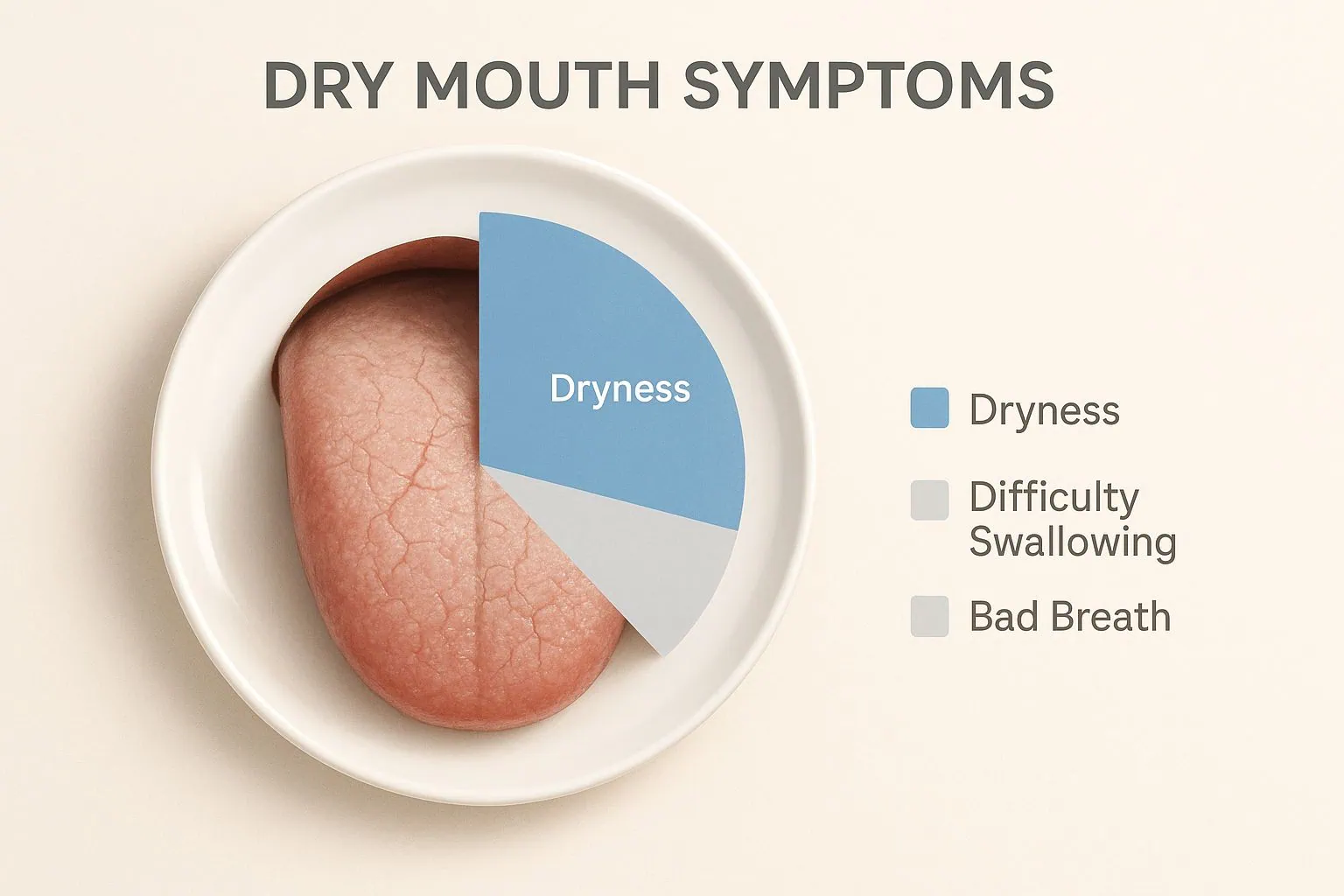
This really highlights the physical signs of not having enough saliva, which is so important for lubricating and protecting the tissues in your mouth.
Common Culprits in Your Medicine Cabinet
While the list of medications that can cause dry mouth is incredibly long, some categories are more frequent offenders than others. Being aware of these can help you have a much more informed chat with your doctor and our dental team.
- Antihistamines and Decongestants: Great for colds and allergies, these work by drying up mucus. The problem is, they can’t always tell the difference between your nose and your mouth.
- Antidepressants and Anti-Anxiety Medications: Many of these impact nerve signals throughout the body, and that includes the ones responsible for saliva production.
- Blood Pressure Medications (Diuretics): Sometimes called “water pills,” their job is to help your body shed excess fluid. An unfortunate side effect can be overall dehydration and a drier mouth.
- Pain Relievers: Certain types of prescription pain medications can also contribute to the problem.
It’s absolutely vital to remember that you should never stop or change your medication dosage without first talking to your doctor. Your overall health is the number one priority, and there are plenty of ways we can manage dry mouth without disrupting your treatment plan.
A Local Look at the Medication Link
Here in New Zealand, the connection between medicines and dry mouth is well-established. In fact, medications are a leading cause, particularly those with what are known as anticholinergic effects. The Centre for Adverse Reactions Monitoring (CARM) has logged over 200 reports of dry mouth linked to more than 230 different medicines since 2000.
What’s really interesting is that about 75% of these reports involved female patients. Medications for thyroid issues and acid reflux were among the most frequently mentioned. This is a perfect example of why it’s so important to discuss medication side effects with all your healthcare providers. You can read more about these findings from Medsafe New Zealand.
Having an open conversation with your dental team is just as important as talking to your GP. Your oral health and general health are deeply connected, and we can provide the best care when we have the full picture.
Knowing what medications you take allows us to tailor our advice and treatments specifically to your situation. We might recommend products to help with moisture, suggest tweaks to your hygiene routine, and keep a closer eye on areas at a higher risk of decay. For a bit more on this, you might find our article on why it is important to tell my dentist about the medications I am on useful.
At City Dentists, we see you as a partner in your own health. By working together with you and your doctor, we can create a plan that keeps you healthy from head to toe, ensuring your smile stays protected and comfortable.
How Health Conditions and Life Stages Affect Saliva

While medications are a very common culprit behind dry mouth, sometimes the root cause is a little closer to home—it’s your body’s own journey. Your overall health and the different stages you go through in life are deeply connected to your oral wellbeing. Understanding this link is the first step to finding real relief.
Think of it as a conversation between your mouth and the rest of your body. When one is navigating a big change, the other often feels the ripple effects. This is why we always take the time at City Dentists to hear your full health story. Something that seems completely unrelated might just be the missing piece of the puzzle.
When Your Health Affects Your Saliva
Certain health conditions can directly interfere with your salivary glands and their ability to produce enough moisture. This isn’t meant to be alarming; it’s simply a piece of information that helps us provide you with better, more personalised care.
Some of the most common health-related causes include:
- Diabetes: When blood sugar levels aren’t well managed, it can lead to dehydration and directly affect saliva production. This is a key reason why a close partnership between your dentist and your doctor is so important for your overall health.
- Sjögren’s Syndrome: This is an autoimmune condition that specifically targets the glands responsible for moisture, including your salivary glands and tear ducts, which results in significant dryness.
- Anxiety and Stress: Ever felt your mouth go dry before a big presentation? When your body goes into a “fight or flight” mode, it diverts resources away from functions it deems non-essential. Saliva production is one of the first things to slow down.
Knowing a health condition is contributing to your dry mouth allows us to work alongside your GP. We can build a dental care plan that supports your overall treatment, protecting your teeth and gums from the effects of reduced saliva. If you’re managing diabetes, for instance, learning about its impact on your mouth is crucial. You can explore more about the connection between oral health and diabetes in our detailed guide.
Life’s Natural Chapters and Their Impact
It’s not just diagnosed conditions that play a role. Natural life stages bring hormonal and physiological shifts that can also lead to a drier mouth. These transitions are a normal part of life, and just being aware of them is an empowering step.
Just as your body evolves, so do its needs. Hormonal shifts and the natural process of ageing can alter your internal environment, and one of the first places you might notice this is in your mouth.
Hormonal fluctuations are a major factor. For many women, both pregnancy and menopause can cause noticeable changes in saliva consistency and flow, leading to temporary or even persistent feelings of dryness.
The natural ageing process itself can also be a contributor. As we get older, our bodies go through countless subtle changes, and a slight reduction in saliva flow can be part of that. This is particularly relevant for older New Zealanders. A 2012 survey on older people’s oral health highlighted that dry mouth is a major concern for this group, often compounded by multiple medications and chronic conditions. These factors create a higher risk of dental decay and gum issues, making proactive dental care absolutely vital.
At City Dentists, we understand that we’re treating a person, not just a set of teeth. By talking about your health and life stage, you’re not just sharing details—you’re giving us the insight we need to care for you as a whole person. This partnership helps us offer advice and treatments that fit your unique circumstances, ensuring your comfort and health through every chapter of life.
Lifestyle Habits That Contribute to Dry Mouth
Sometimes, the cause of a dry mouth isn’t a medical diagnosis or something in the medicine cabinet—it’s hidden in our daily routines. The small, often unconscious habits we pick up can have a big impact on our oral health. The good news? These are usually the easiest things to change, putting relief well within your reach.
For many busy Wellingtonians, it’s easy to overlook the simple things. Whether you’re rushing between meetings on The Terrace or enjoying a weekend hike up Mount Victoria, staying hydrated can fall by the wayside. But it’s these little details that often hold the key.
The Impact of Dehydration
One of the most direct causes of dry mouth is simply not drinking enough water. When your body gets dehydrated, it smartly starts conserving water for its most vital jobs, and one of the first things it dials back is saliva production. That familiar sticky, parched feeling is the immediate result.
Instead of just saying “drink more water,” we suggest thinking about hydration as part of your daily rhythm. A few simple tweaks can make all the difference:
- Keep a reusable water bottle on your desk at work. It’s a great visual cue.
- Sip water throughout your walk along the waterfront, don’t wait until you’re thirsty.
- Start and end your day with a glass of water to replenish your body after a long sleep.
Common Habits That Dry You Out
Beyond just water intake, a few other common lifestyle choices can turn down the tap on your saliva flow. Understanding how these habits affect you is the first step toward getting things back in balance.
- Caffeine and Alcohol: That morning coffee or evening glass of wine might be part of the problem. Both are diuretics, meaning they encourage your body to lose fluid. This can lead to dehydration and, you guessed it, a drier mouth.
- Tobacco Use: Smoking or vaping has a direct drying effect on the delicate tissues inside your mouth. Over time, it also restricts blood flow to the salivary glands, making it harder for them to do their job properly. We have a helpful guide that goes into more detail on how smoking damages teeth and gums.
Making small, positive changes isn’t about judgement—it’s about feeling more comfortable and protecting your oral health for the long run. Even cutting back a little can bring noticeable relief.
The Role of Your Environment
Your immediate surroundings can play a surprisingly big role. Constant air conditioning in the office or central heating at home can strip moisture from the air, which in turn dries out your mouth and nasal passages, especially while you sleep. If you’re experiencing symptoms, it might be worth checking for signs your air is too dry.
Another common culprit is mouth-breathing. Whether it’s due to allergies, a stuffy nose, or just habit, breathing through your mouth bypasses the natural humidifying system your nose provides. This constant airflow acts like a fan, quickly evaporating saliva and leaving your mouth uncomfortably dry, especially when you first wake up.
At City Dentists, our goal is to give you practical advice that actually fits into your life. By identifying and tweaking these simple habits, you can take a proactive role in managing dry mouth. And if you’ve made these changes and still don’t feel right, our caring team is here to help you dig a little deeper. You don’t have to figure this out alone.
Why Dry Mouth Is More Than Just a Discomfort
Feeling a bit parched now and then is one thing, but when dry mouth becomes a constant companion, it’s more than just an inconvenience. While the sticky, uncomfortable sensation is frustrating, the real concern for us as dental professionals is what a lack of saliva means for the long-term health of your teeth and gums.
Think of it this way: saliva is your mouth’s own dedicated cleaning and security team. It works around the clock, rinsing away food debris, neutralising damaging acids, and keeping harmful bacteria in check. When this team isn’t working at full capacity, your mouth becomes a far more inviting place for problems to take root.
The Increased Risk of Tooth Decay
Without a steady flow of saliva, tiny food particles and sugary residues linger on your teeth for much longer than they should. Bacteria in your mouth feast on these leftovers, producing acids that attack your tooth enamel. Normally, saliva would wash away the debris and neutralise these acids, but in a dry environment, the acid attacks are relentless.
This constant acidic environment seriously weakens your enamel, making your teeth much more vulnerable to cavities. It’s one of the most significant risks we see with persistent dry mouth, turning small issues into bigger problems more quickly.
Gum Health and Other Oral Concerns
Your gums and the soft tissues in your mouth also rely on saliva to stay healthy and hydrated. A dry environment can lead to a cascade of other issues that go beyond tooth decay.
- Heightened Gum Disease Risk: A lack of saliva allows plaque to build up more rapidly along the gumline. This can lead to gingivitis (early-stage gum disease), causing redness, swelling, and irritation.
- Mouth Sores and Infections: Saliva has protective properties that help prevent infections. Without it, you may be more susceptible to painful mouth sores, cracked lips, and fungal infections like oral thrush.
- Persistent Bad Breath: The bacteria that thrive in a dry mouth also produce unpleasant odours. A lack of saliva means these bacteria and their byproducts aren’t being washed away, which can be a direct cause of bad breath. If you’re concerned about this, you can learn more about what causes bad breath and its connection to your oral environment in our helpful guide.
Our goal isn’t to cause you any worry, but to empower you with knowledge. Understanding why managing dry mouth is so important for prevention is the first step towards protecting your smile for years to come.
Recognising these risks allows you to take proactive steps. At City Dentists, we see this as an opportunity to work together. By identifying the cause of your dry mouth, we can create a plan to restore comfort and shield your oral health from these preventable issues. You don’t have to just accept the discomfort—let’s address it together.
How Our Wellington Dentists Can Help You Find Relief
Living with the constant irritation of dry mouth isn’t something you just have to put up with. Understanding what might be causing it is a great start, but the most crucial step is finding a real solution. Here in Wellington, our team at City Dentists is ready to work with you to find lasting relief and protect your teeth for the long haul.
A visit with us is never about a quick glance and a lecture. It’s a genuine conversation. We’ll take the time to listen, getting to know your specific symptoms, your health history, and any lifestyle factors that could be playing a part. This complete picture is essential for us to figure out a plan that actually works for you. Our experienced team uses proven, modern techniques to ensure your comfort and provide the highest standard of care.
Your Personalised Path to Comfort
Once we have a good understanding of what’s going on, we can create a personalised management plan together. We don’t do one-size-fits-all solutions. Your strategy will be designed specifically for your needs, focusing on practical, effective tips that fit into your daily life.
This partnership is all about clear communication and supportive, gentle care. We want you to feel totally comfortable asking questions and confident in the plan we build. If you have any anxiety about visiting the dentist, it might be helpful to explore how a gentle care dentist can make all the difference to your experience.
Our recommendations could include:
- Targeted Oral Care Products: We can point you towards specific alcohol-free mouthwashes, sprays, or specialised toothpastes designed to soothe dry tissues and encourage saliva flow.
- Customised Hygiene Advice: Sometimes, simple tweaks to your daily brushing and flossing routine can make a huge difference in protecting your teeth from the higher risk of decay.
- Professional Protective Measures: In some cases, an in-clinic fluoride treatment might be a good idea to strengthen your tooth enamel, giving it an extra layer of defence against acid attacks.
A Partnership for Lasting Health
Our message is one of hope and action. You don’t have to manage the discomfort and worry of dry mouth on your own. Our patient-focused approach means we’re dedicated to finding a solution that brings you comfort and safeguards your smile.
A dental visit is a positive move toward better health and wellbeing. By working with a professional team, you are taking control of your oral health and investing in your future comfort and confidence.
We warmly invite you to book a consultation with our friendly Wellington team. Let us show you how our expert care can help you find relief. Together, we can restore balance to your mouth and ensure your smile stays healthy and comfortable for years to come.
Still Have Questions About Dry Mouth?
We get it – dry mouth can be puzzling. To clear things up, we’ve put together answers to some of the most common questions our Wellington patients ask us.
Can Stress and Anxiety Really Cause Dry Mouth?
Yes, absolutely. When you’re stressed or anxious, your body can kick into its “fight or flight” mode. This response temporarily dials back functions it doesn’t see as critical for immediate survival, and unfortunately, saliva production is one of them.
That’s why you might notice a parched feeling right before a big work presentation or during a particularly stressful week. If coming to the dentist makes you feel anxious, please let us know. Your comfort is our top priority, and we have ways to help you feel calm and at ease.
Why Do I Only Seem to Get Dry Mouth at Night?
Waking up feeling like your mouth is made of cotton is a very common complaint. Often, it’s simply down to breathing through your mouth while you sleep, especially if you’re a bit congested from a cold or allergies. That constant airflow is very effective at drying out your oral tissues.
Evening medications can also play a role. A few simple changes can make a world of difference, like using a humidifier in your bedroom, keeping a glass of water on your bedside table, and skipping that late-night coffee. If it keeps happening, it’s definitely something we can look into at your next check-up.
Are There Special Toothpastes I Can Use for Dry Mouth?
There certainly are. You can find some excellent products specifically designed to help with dry mouth symptoms. These toothpastes and mouth rinses are usually alcohol-free, which is important because alcohol can be drying. Instead, they contain ingredients that help lubricate your mouth and protect your teeth from the higher risk of decay that comes with having less saliva.
At City Dentists, we can point you towards specific brands and products we trust to be both gentle and effective. We’re happy to help you find the right option for your situation during your visit.
Will Drinking More Water Be Enough to Cure My Dry Mouth?
Staying hydrated is incredibly important, and sipping water throughout the day will definitely provide some immediate relief. It’s a fundamental step for both your oral and overall health.
However, if the root of the problem is a side effect from medication or a specific health condition, simply drinking more water won’t be a complete cure. Think of it as a crucial part of the solution, but not the whole story. To get lasting relief, we need to figure out the underlying cause and manage it properly. A chat with our team can help put together a complete plan that goes beyond just hydration.
Ready to find a lasting solution for your dry mouth? The friendly team at City Dentists is here to help. We’ll work with you to understand the cause and create a personalised plan for relief. Book your appointment online today.