
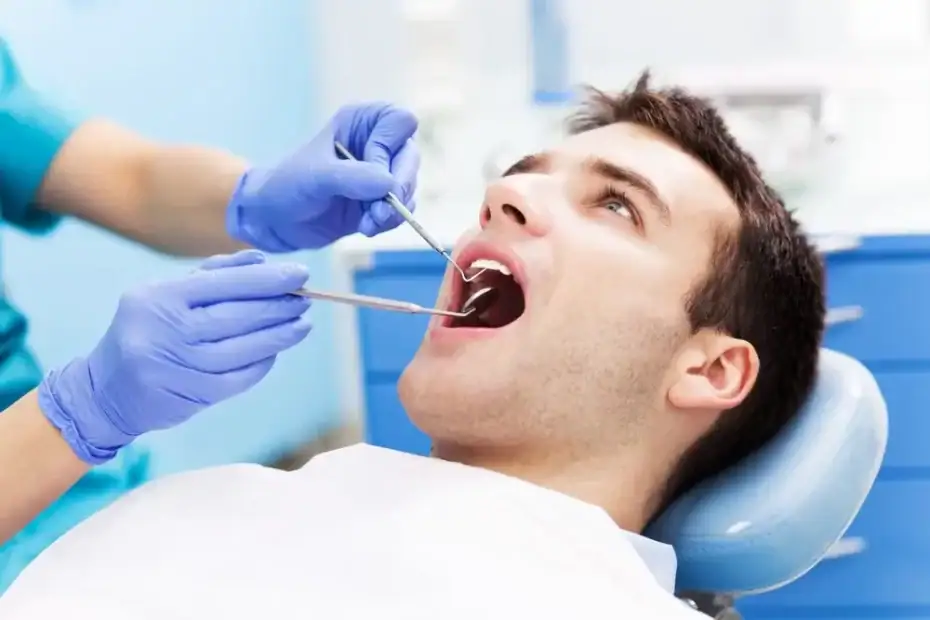
Filling the gap: What are your tooth replacement options?
Filling the gap: What are your tooth replacement options? There are several replacement solutions. We’ll go over a few them briefly here:
Your dental health is essential, and our General Dentistry & Treatments category covers everything from routine check-ups to restorative procedures. Whether you need a dental filling, crown, root canal, or gum disease treatment, these expert articles from City Dentists in Wellington will guide you through your options.
Discover how modern dentistry can help you restore, protect, and maintain your teeth with the latest advancements in preventive care, restorative treatments, and everyday oral health practices. We provide expert advice on common dental procedures, helping you make informed decisions about your smile.
Explore our articles to learn about:
✔️ Tooth-Colored Fillings – When and why you might need one
✔️ Root Canals – Signs you need one & what to expect
✔️ Dental Crowns & Bridges – How they protect and restore your smile
✔️ Gum Disease Treatment – Symptoms, prevention, and deep cleanings
✔️ Tooth Sensitivity & Pain – Causes and best solutions
At City Dentists Wellington, we focus on comfortable, effective treatments to keep your teeth healthy and strong. Whether you have a minor cavity or need a full-mouth restoration, these resources will help you understand your options and prepare for a healthy, confident smile.
Filling the gap: What are your tooth replacement options? There are several replacement solutions. We’ll go over a few them briefly here:

Have you considered getting fissure sealants? Here is what you need to know about this treatment and why it can be beneficial!
If you’ve ever had a toothache, you know how uncomfortable it can be. Exhibited by a constant throbbing or a stinging sensation upon biting into food, toothaches can dramatically alter your quality of life. It likely needs to be checked out by a professional to assess the problem and the correct solution.
On the off-chance you crack, chip or otherwise cause damage to a tooth, you have several options to get the problem fixed. Two potential solutions is to get a crown or an onlay.
Understanding what an onlay is – and how it differs from a crown – can help you determine the best treatment for you and why your dentist may recommend one over the other.

Minimally invasive dentistry is a slightly more advanced form of dental care that serves as an extra layer of protection for your teeth.
What steps do you need to take after you get a tooth pulled? Read on to learn how to avoid dry sockets, infections and other unnecessary discomfort.

Would you give up candy and red wine if it meant you could prevent teeth stains? Learn how certain foods and drinks are contributing to teeth discoloration.

Dry socket is a painful complication associated with tooth extraction. While you can’t always avoid it, there are ways to reduce your risk.

Any dental or medical procedure requires proper aftercare to make sure the treated area heals correctly and efficiently, and fillings are no exception.

Wisdom teeth can cause problems and are common candidates for extraction. For anxious patients, sedation may make the process much less stressful.

According to several studies, the risk of adverse teeth whitening side-effects are higher through DIY treatments than those done by the experts.

Are you worried you may need to have a tooth extracted due to a fracture or crack? Worry not – it may not be necessary. We explain why.

Fissure sealant is used to protect the back teeth from decay by making them easier to keep clean. The application is quick and pain free.

Whether or not you need to seek emergency dental treatment for a cracked or broken tooth depends on the severity and cause. We look at some common situations.

Detecting mouth cancer early ensures you receive the treatment you need as quickly as possible. Knowing what signs to look out for is key.

Gingivitis is a form of gum disease. Caused by a buildup of plaque, left untreated gingivitis can develop into periodontitis and lead to loss of teeth.

Some people fear the pain associated with root canal treatment. Fortunately, modern dentistry means you feel little-to-no pain during your procedure.

When you see the orthodontist regularly, do you still need to visit the dentist? Short answer: yes. Let’s discuss your dentist and braces.

Ceramic and porcelain are often interchangeable terms – but is there a difference when it comes to dental crowns? Let’s discuss crown materials.

Dental bridges are generally long-lasting, but may need to be removed if they become loose, damaged or impact the treatment of a natural tooth.

Preventative dentistry covers a range of treatments and methods to help keep dental issues at bay. But when do you need it and why is it so important?

Are you noticing pain, swelling or redness around your back teeth? Your wisdom teeth may have erupted. Here’s everything you need to know.