
If you’ve ever heard the phrase “root canal,” it’s normal to feel a bit of a shiver. But at City Dentists, we want to reassure you that in modern dentistry, a root canal isn’t about causing pain—it’s a gentle procedure designed to get you out of it and save your natural tooth for years to come.
What a Root Canal Procedure Actually Is
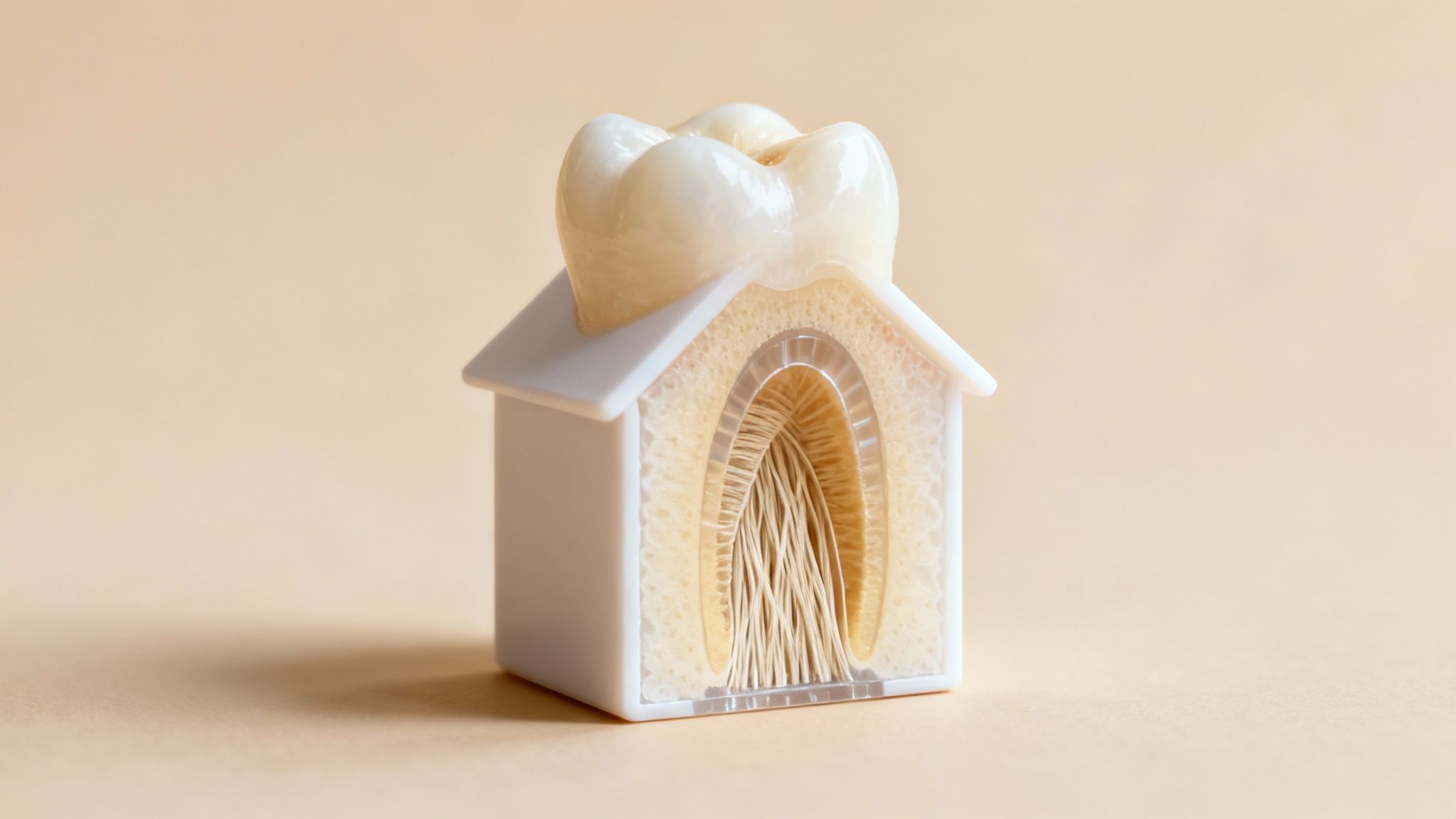
So many of our Wellington patients arrive with worries based on outdated stories they’ve heard. The great news is that today’s root canal therapy is a standard, safe, and incredibly effective treatment. At City Dentists, our caring, expert team uses gentle, modern techniques to make sure you’re comfortable every step of the way.
To understand a root canal, it helps to think of your tooth as a tiny house. On the outside, you have the hard enamel walls protecting everything. But deep inside, there’s a soft inner room called the dental pulp. This pulp contains the delicate “wiring”—the nerves and blood vessels—that keep the tooth alive.
When Things Go Wrong Inside the Tooth
Sometimes, things like deep decay, a crack from an injury, or even a faulty filling can let bacteria sneak into this sterile inner chamber. When that happens, the pulp gets infected and inflamed, which is what causes that unmistakable, throbbing toothache.
If you ignore it, the infection has nowhere to go but down through the tip of the tooth’s root and into your jawbone. This is how a painful abscess forms, causing serious discomfort and swelling. The whole point of a root canal is to get in there and fix the problem before it gets that far, relieving your pain and saving your tooth.
To give you a clearer picture, here’s a quick summary of what the procedure involves.
Root Canal Therapy at a Glance
This table breaks down the key aspects of the treatment into simple terms, so you know exactly what to expect when you visit us in Wellington.
| Aspect | Simple Explanation |
|---|---|
| Purpose | To remove infected pulp from inside a tooth to stop pain and save the tooth. |
| Is it Painful? | No. The area is completely numbed, so it should feel similar to getting a normal filling. |
| Duration | Typically 1-2 visits, depending on the complexity of the infection. |
| Result | The tooth is saved, the pain is gone, and your smile stays intact. |
| Aftercare | The tooth is usually protected with a permanent filling or a crown. |
With this quick overview, it’s easier to see root canal therapy for what it really is: a solution, not a problem.
The procedure itself is quite straightforward:
- First, we gently and completely numb the area. Your comfort is our priority, and you won’t feel any pain.
- Next, we carefully clean out the infected or damaged pulp from inside the tooth.
- Then, we disinfect the inner chamber and seal it to keep bacteria out for good.
- Finally, we restore the tooth with a filling or a custom-made crown to protect it for the long term.
A common myth is that we remove the tooth’s roots. That’s not true! A root canal simply cleans the canals inside the roots. Your tooth stays exactly where it belongs, preserving your smile and your bite.
Here in New Zealand, our dental professionals are highly skilled in performing these kinds of advanced treatments. With the dental services market valued at around NZD 2.0 billion, it’s clear our country has a strong capacity for providing excellent dental care.
By understanding what a root canal truly is, you can see it’s not something to be feared. Instead, it’s a positive and highly successful step towards a healthy, pain-free mouth. You can also explore another great explanation on Root Canal Treatment for a different perspective.
Signs You Might Need a Root Canal
Sometimes a tooth lets you know in no uncertain terms that something is wrong. Other times, the signals can be much quieter. Understanding these signs is the first step toward getting the right care and finding relief, and our Wellington team is here to help you make sense of them.
Pain is often the most obvious clue. It’s not just any ache; we’re talking about a severe, persistent throbbing that doesn’t seem to let up. This kind of pain can make it difficult to eat, sleep, or simply get through your day.
Another classic sign is sensitivity that lingers. It’s one thing for a tooth to react to a hot coffee or a cold drink, but if that sharp pain sticks around long after you’ve taken a sip, it could mean the nerve inside is damaged.
Looking Beyond the Obvious Pain
While a significant toothache is hard to ignore, not all signs of a deep infection are so dramatic. Paying attention to these subtler symptoms can help you catch a problem early before it gets worse.
You might notice issues with your gums, such as:
- Swelling or tenderness: The gum tissue around a particular tooth might look puffy or feel sore to the touch.
- A pimple on the gum: This small, recurring bump (called a fistula) is actually a drainage point for an infection brewing at the root tip.
- Discolouration: The tooth itself might start to look darker, taking on a greyish or almost bruised appearance. This often happens when the pulp inside the tooth has died.
These symptoms usually point to trouble deep within the tooth. The cause could be anything from extensive decay reaching the pulp, a tiny hidden crack from an old injury, or a previous filling that has failed, letting bacteria creep in. For a deeper dive into what might be causing your discomfort, our guide covers some of the 5 possible causes of toothaches.
The key takeaway here is that your body is sending you a warning signal. Acting on it sooner rather than later is always the best approach—it can prevent the problem from becoming more serious and more painful down the line.
Fortunately, awareness around oral health is improving across New Zealand. Preventive care initiatives are making a real impact, as a 2022 study showed 56% of five-year-old children had no history of dental decay. While this reflects successful early strategies, it also highlights the continued need for effective restorative treatments like root canals for adults. You can explore more data on dental health trends in NZ and Australia to understand the full picture.
Recognising these signs is the first step. It empowers you to seek help from your dentist. Here at City Dentists, we see root canal therapy not as a last resort, but as a crucial, tooth-saving solution to a serious problem.
Your Root Canal Journey Step-by-Step
Knowing what’s coming is one of the best ways to feel calm and confident about your dental care. It’s a theme we hear a lot from our Wellington patients—once they understand the process, any nervousness they felt just melts away. A modern root canal is nothing to fear; it’s a precise, carefully managed procedure designed entirely around your comfort and health.
At City Dentists, we see your treatment as a partnership. We’ll take the time to explain everything, making sure you feel in control and looked after from the moment you settle into the chair.
Let’s walk through the simple, clear stages together.
The First Steps: Diagnosis and Numbing
Your appointment kicks off with a focused look at the problem tooth. We’ll take a dental x-ray, which gives us a crystal-clear picture of the root structure and shows us the extent of any infection in the surrounding bone. This roadmap allows our dentists in Wellington to plan your treatment with pinpoint accuracy.
Then comes the most important part: ensuring you are completely comfortable. We use a highly effective local anaesthetic to gently and thoroughly numb the tooth and the gum tissue around it. Honestly, our patients are often surprised that the rest of the procedure feels no different than getting a routine filling.
Your comfort is our absolute priority. We don’t move forward with the treatment until we are certain the area is fully numb and you won’t feel any pain. The old myths of painful root canals just don’t apply to modern dentistry.
This infographic shows some of the common red flags that might lead to a root canal, highlighting how things like pain, sensitivity, and swelling are key indicators of a problem brewing inside.
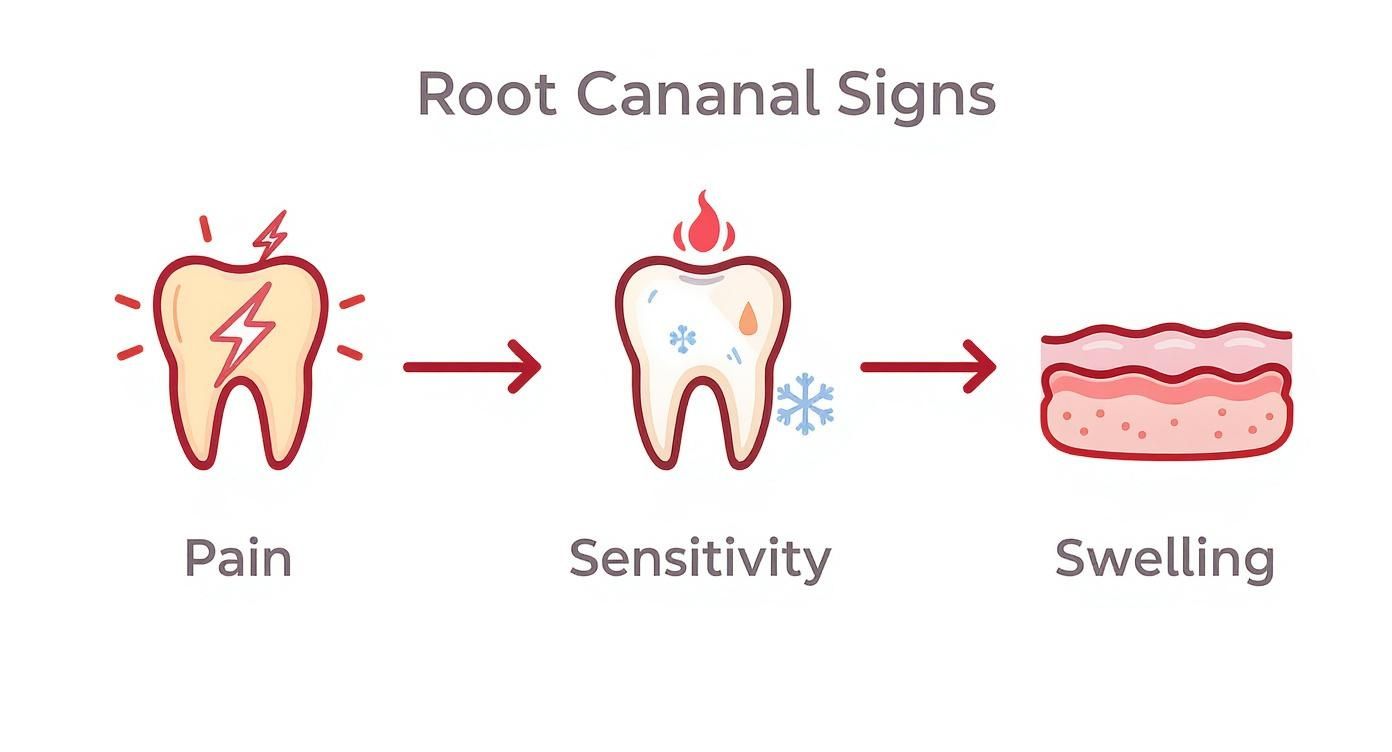
As you can see, these symptoms are direct signals from the tooth’s nerve that it’s in distress and needs attention before things get worse.
Cleaning and Sealing the Tooth
Once you’re comfortable, your dentist will place a small protective sheet called a dental dam over the tooth. This simple step isolates it from the rest of your mouth, keeping it clean and dry while we work. We then create a tiny opening in the crown of the tooth to access the inner pulp chamber.
Using very fine, specialised instruments, we carefully remove the infected or damaged pulp from inside the tooth and each of its root canals. This is the crucial part of the procedure that eliminates the source of your pain and stops the infection in its tracks.
After the canals are clear, we shape the space and disinfect it thoroughly to make sure no bacteria are left behind. The next steps are straightforward:
- Filling the Canals: We fill the now-empty canals with a sterile, rubber-like material called gutta-percha. This seals the inside of the tooth completely, preventing any chance of reinfection down the road.
- Placing a Temporary Filling: A temporary filling is placed in the opening on top of the tooth. This acts as a protective cap while it heals over the next few weeks.
For those who feel particularly anxious about dental procedures, we offer solutions to help you relax. You can learn more about these options in our guide on when sedation is necessary.
Preparing for the Final Restoration
The final step in your root canal journey happens at a follow-up appointment. A tooth that has undergone a root canal needs extra protection, as it can be more brittle than a healthy, vital tooth.
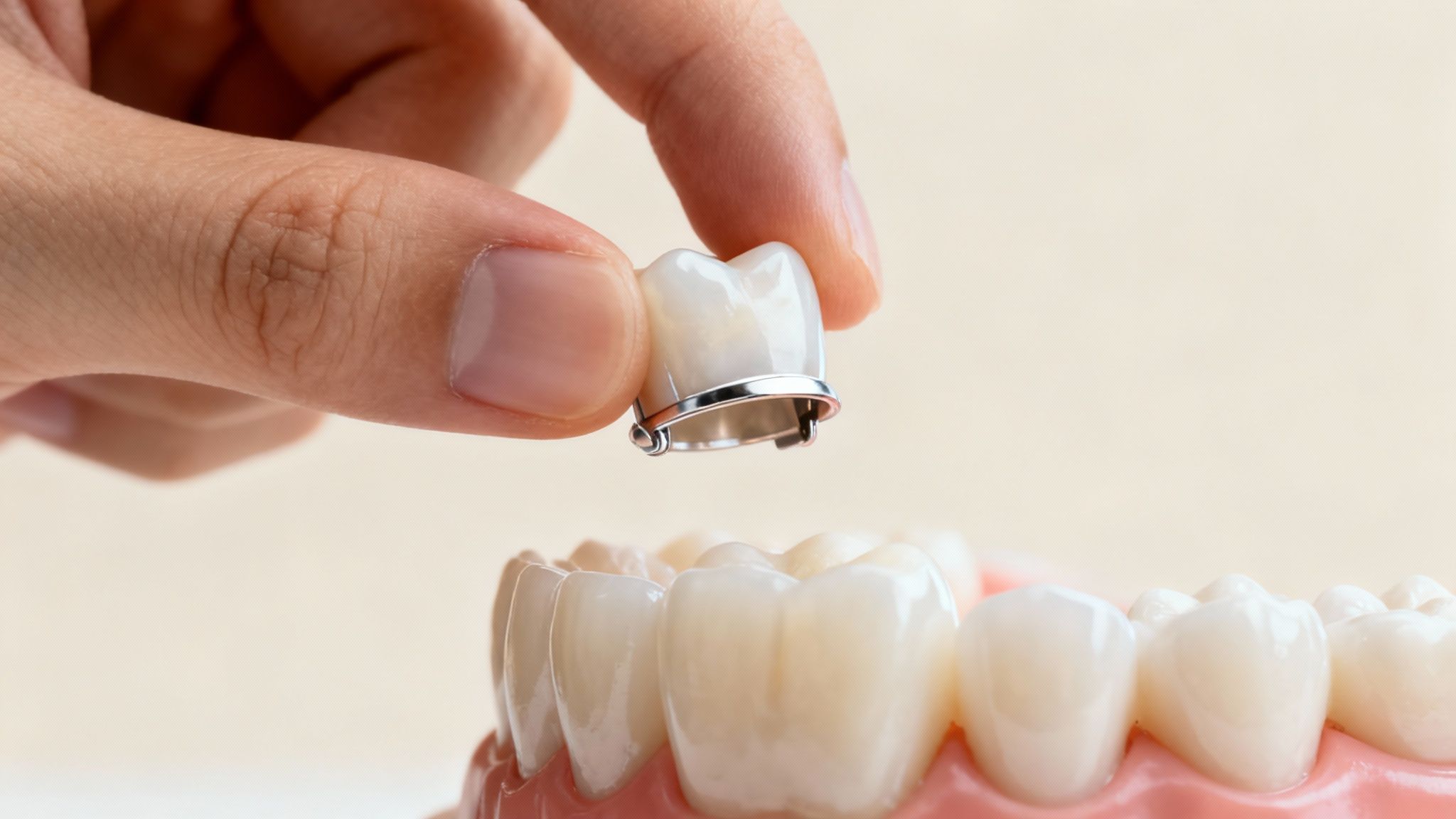
To restore its full strength and function for the long haul, we will place a permanent restoration—in most cases, a dental crown. This crown acts like a helmet, covering the entire tooth and allowing you to bite and chew normally without any fear of it fracturing. To create your crown, we take a precise impression of your tooth to ensure a perfect, comfortable fit.
With proper care, your restored tooth can last a lifetime.
Caring for Your Tooth After a Root Canal
You’ve made it through the root canal—a fantastic step toward getting your smile healthy and pain-free again. Now, the focus shifts to aftercare to make sure your recovery is smooth and the tooth has a long, happy life. Think of it as giving your tooth a well-deserved second chance.
It’s completely normal to feel some mild tenderness in the area for the first few days. Your gums and the surrounding tissues are healing, and this is just a sign that your body is getting on with the job. Most of our Wellington patients find that standard over-the-counter pain relievers, like what you’d take for a headache, are more than enough to manage it.
Your mouth will probably feel numb for a couple of hours after you leave our clinic. It’s a good idea to hold off on eating until the feeling returns completely. This is a simple but effective way to avoid accidentally biting your tongue or cheek.
Your Guide to Immediate Aftercare
Gentle care is the name of the game during this initial healing phase. We’ve placed a temporary filling to protect the tooth, so being mindful of what you eat and how you clean around it will make a huge difference.
- Stick to soft foods: For the first few days, opt for foods that are easy on your teeth. Think soup, yoghurt, eggs, and mashed potatoes. This gives the treated tooth a chance to settle without any unnecessary pressure.
- Avoid hard or sticky foods: Now is not the time for crunchy snacks, hard lollies, or chewy caramels. These can easily dislodge the temporary filling or put too much stress on the tooth.
- Maintain gentle oral hygiene: You can, and should, continue to brush and floss as you normally would. Just be extra gentle around the tooth we’ve just worked on. Keeping the area clean is vital for preventing any new problems from cropping up.
For a more detailed look at making your recovery as comfortable as possible, check out our guide on 8 tips for speeding up root canal recovery.
The Final Step: The Crown
The most crucial part of your aftercare is getting the final restoration. A tooth that’s had a root canal is no longer “live,” which means it can become more brittle and prone to fracture over time. To give it the long-term strength it needs to function properly, we almost always recommend protecting it with a permanent dental crown.
Think of a crown as a custom-made helmet for your tooth. It fits snugly over the entire tooth, absorbing the powerful forces of biting and chewing. This protective layer restores the tooth to its full strength, allowing you to eat your favourite foods with confidence.
With the final crown fitted and a commitment to good oral hygiene and regular check-ups at our Wellington clinic, your restored tooth can easily last a lifetime. It’s a true testament to how our dentists in Wellington can save a natural tooth and preserve your smile for years to come.
Busting Common Root Canal Myths
Let’s be honest, old tales and dental horror stories can create a lot of unnecessary anxiety. When it comes to root canals, we’ve heard just about every myth in the book from our Wellington patients. It’s time to clear the air and separate the fiction from the facts so you can feel completely at ease with your treatment.
The number one myth we need to tackle is the idea that root canals are painful. This fear is a leftover from a bygone era of dentistry, long before modern techniques and patient comfort became top priorities. Today, things are completely different.
Thanks to incredibly effective local anaesthetics and the gentle, precise approach we take at City Dentists, having a root canal is usually no more dramatic than getting a standard filling. The truth is, the root canal isn’t the source of the pain—it’s the solution to the throbbing, painful infection festering inside your tooth.
Separating Fact from Fiction
Beyond the fear of pain, a few other outdated ideas sometimes pop up and cause concern. It’s important to face these head-on with clear, straightforward information grounded in modern dental science. Our team is always here to answer any questions you might have and offer reassurance.
The whole point of a root canal is simple: to get you out of pain and save your natural tooth. The procedure is designed to be a comfortable, positive step towards a healthier, happier smile.
One of the most damaging myths is the long-disproven theory that a root canal can trigger other health problems in the body. This idea came from some seriously flawed research done over a century ago and has been thoroughly debunked by decades of solid scientific evidence. Major dental associations around the world all agree: root canal therapy is a safe and highly effective treatment.
Another common misconception is that just pulling the tooth is a better and easier option. While an extraction might seem like a quick fix, it often opens the door to more complex and costly problems down the road.
Myth vs Fact The Truth About Root Canals
Misinformation can get in the way of making the best decision for your health. Let’s set the record straight on these common myths once and for all.
| Common Myth | The Reality with Modern Dentistry |
|---|---|
| “Root canals are extremely painful.” | The procedure is done under local anaesthetic, making it comfortable. The treatment actually relieves the severe pain caused by the tooth’s infection. |
| “It’s better to just pull the tooth.” | Saving your natural tooth is almost always the best choice. It preserves your bite, stops other teeth from shifting, and avoids the need for more complex restorations later. |
| “They can cause illness elsewhere in the body.” | This is a long-debunked theory. There is no scientific evidence linking root canals to any other health issues. It’s a safe, standard, and beneficial procedure. |
Choosing to save your tooth with a root canal is a smart move for your overall oral health. It maintains your ability to chew properly, keeps your other teeth in their correct positions, and preserves the natural look of your smile. Here at City Dentists, our commitment is to provide treatments that support your long-term health and wellbeing.
Your Root Canal Questions Answered
We get it—you’ve got questions. It’s completely normal to want to know the ins and outs of any dental procedure before you commit, and feeling informed is the best way to feel comfortable and confident.
Let’s walk through some of the most common queries we hear from our Wellington patients about root canal therapy.
And remember, a good chat with your dentist can clear up any lingering worries. That’s why we always suggest having a few questions ready, like the ones in our guide on the common questions to ask your dentist at a routine checkup.
How Long Does a Root Canal Take?
This is usually the first thing people ask. A typical root canal is wrapped up in two or three appointments, depending on how complex the tooth is and the extent of the infection.
Each visit generally lasts between 30 to 90 minutes. Our main focus is on being meticulous. We take the time needed to do the job right, ensuring a successful and long-lasting result while making sure you’re comfortable from start to finish.
Will I Need Time Off Work?
A very practical question for our busy Wellington clients. The great news is that most people feel fine enough to head back to their usual routine, whether that’s work or school, the very next day.
Your tooth and the nearby gum might feel a bit tender for a couple of days, but this is usually nothing that over-the-counter pain relief can’t handle. We’ll give you clear aftercare instructions to make your recovery as smooth and quick as possible.
The whole point of root canal therapy is to get you out of pain and back to your life as quickly as possible. The short recovery is one of the biggest benefits of this tooth-saving procedure.
Thinking about long-term dental health is also key to avoiding future issues. A big part of that is understanding safe daily sugar intake and how it impacts your teeth.
Is Extracting the Tooth a Better Alternative?
While pulling the tooth is certainly an option, saving your natural tooth is almost always the best path forward. When you remove a tooth, it leaves a gap that can cause the neighbouring teeth to shift, potentially messing with your bite and alignment.
Replacing a missing tooth later on with something like a dental bridge or an implant often involves more complex and costly treatment. A root canal saves your natural tooth, preserves your smile, and is the most effective way to deal with an infection.
What is the Cost of a Root Canal in Wellington?
The cost of a root canal can vary a bit. It really depends on which tooth is being treated—molars at the back have more canals and are more complex, for instance—and the specific details of your situation.
When you come in for a consultation, our dentists in Wellington will do a proper examination and give you a clear, detailed treatment plan. This plan will break down all the associated costs right from the start, so there are absolutely no surprises. We believe in being completely transparent and will discuss every option with you.
Ready to take the next step towards a healthy, pain-free smile? The expert team at City Dentists is here to provide gentle, modern care right here in Wellington. Book your consultation today and let us look after you.